
PSL's $2.2B Mobility Plan: What Growth Means Here
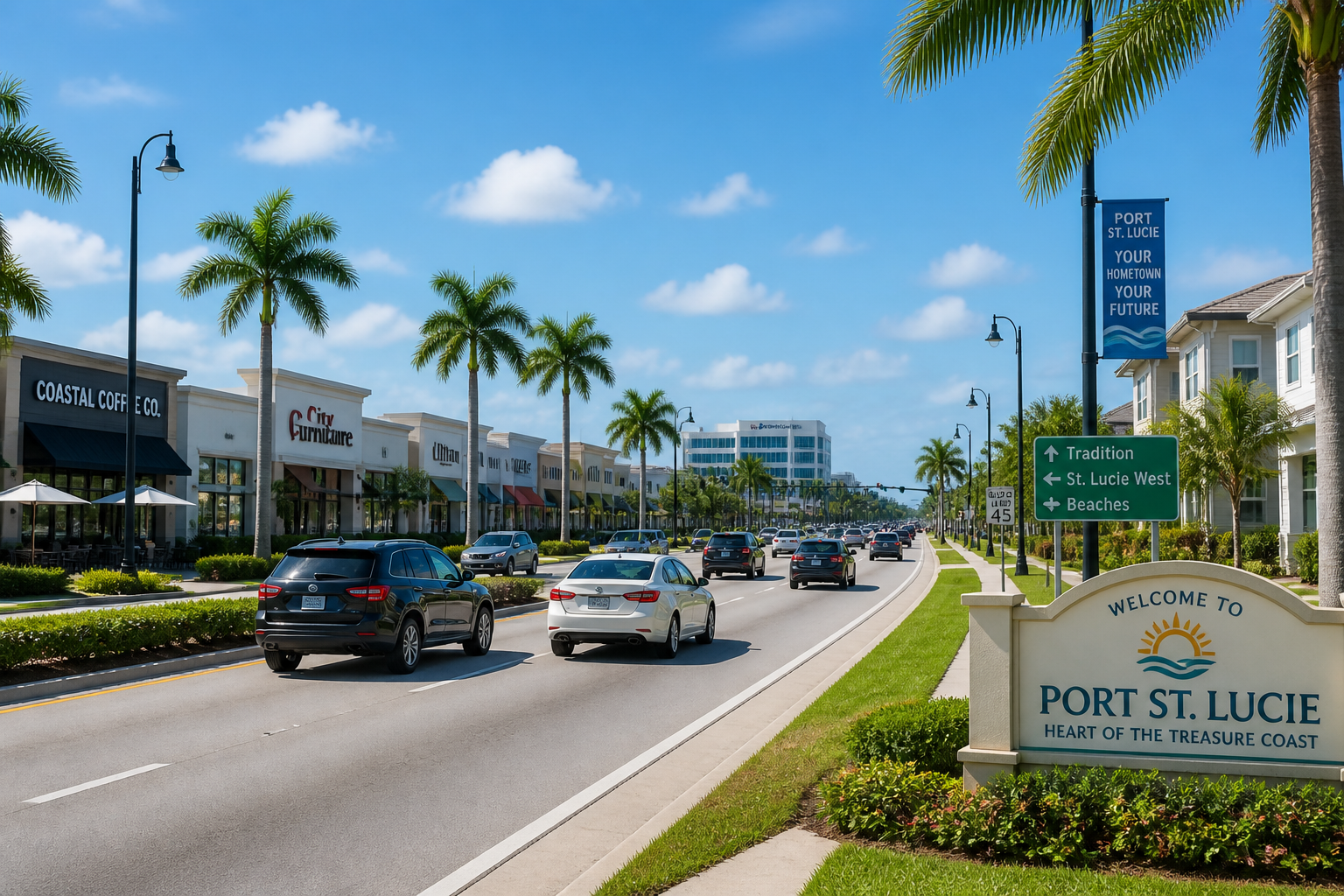
Port St. Lucie weighs a massive mobility package. Here's what it could mean for taxes, traffic, and community.
A moment of big decisions in PSL Port St. Lucie is at a growth crossroads as city leaders look at a sweeping mobility package valued at about $2.2 billion. The plan envisions major investments in roads, sidewalks, bike lanes, transit options, and safety upgrades designed to keep pace with rapid development, rising traffic, and the needs of families and small businesses. While the goal is to ease congestion and improve safety, the big question is how to pay for it without placing an unfair burden on PSL residents.
What the plan funds and who pays The proposed program would fund a mix of projects: widening key corridors, improving intersections, adding pedestrian-friendly features, and enhancing emergency response routes. Funding likely comes from a combination of bonds, state and federal grants, developer contributions (often tied to growth projects), and potential assessments or tax measures tied to infrastructure needs.
A core debate centers on the fairness of development paying its share. Supporters argue that new growth should shoulder part of the cost to prevent existing residents from shouldering the bill alone. Critics worry about higher real estate taxes or special assessments that could affect homeowners, renters, and local small businesses. The plan isn’t a bare tax hike; it’s an attempt to stitch together multiple funding streams to spread the load more equitably as the city expands.
Why it matters to PSL residents For families, the plan could translate into safer streets, quicker commutes, and better access to schools and healthcare facilities. For homeowners, the big question is how costs show up on property tax bills or along special assessments—and how those costs balance against long-term property value and neighborhood appeal. For local businesses, smoother traffic flows and improved parking access can mean more customers and reliable deliveries, while construction phases might temporarily affect operations.
Growth brings opportunity, but it also demands prudent planning. A project of this scale can modernize infrastructure, attract employers, and support a thriving local economy. At the same time, PSL families deserve clarity on timelines, affordable options for financing, and safeguards that prevent costs from spiraling out of control. The balance between immediate pain and long-term gains will define how residents experience this growth cycle.
How to stay informed and get involved Public engagement is essential. Attend city council meetings, budget workshops, and public hearings to hear project specifics and ask questions. Useful angles to explore include: - What is the project timeline and phased milestones? - What funding sources are guaranteed, and which are contingent? - How will costs be allocated between existing residents and new development? - What ROI metrics will track success (traffic reduction, safety, economic activity)? - How will residents receive updates as plans evolve?
Gather neighbors’ questions, request clear plain-language summaries, and monitor the city’s official budget documents and project dashboards. When PSL residents stay informed, we make smarter, more collaborative choices about how growth serves our community.
Practical tips for homeowners and small businesses - Review current property tax notices and any planned assessments related to infrastructure. - Mark upcoming public meetings on your calendar and bring a neighbor or two to boost visibility. - Talk with local business owners about how road changes could affect deliveries, parking, and access—collect concerns to share with decision-makers. - Follow the city’s project updates and request plain-English explanations of complex funding sources.
Community takeaway Growth in Port St. Lucie should strengthen our community without overburdening families. Transparent budgeting, steady public input, and careful phasing will help PSL ride the wave of development toward a safer, more connected, and affordable future for all.
---
Source: facebook.com
Tip: Facebook caches previews. If the image doesn't show, use the Sharing Debugger and click "Scrape Again".